
Newborn and Mother Care at Home During Monsoon: Essential Tips for Bangalore Families
Karnataka Nursing Council Reg. No. 312786
BSc Nursing · 5+ years Apollo Hospital ICU · BLS/CPR Certified
Medically reviewed by Sumit Kumar, RN
The arrival of a newborn is a joyous occasion, but when it coincides with Bangalore's monsoon season, new parents face unique challenges. From increased humidity that causes skin infections to the surge in mosquito-borne diseases, both the newborn and the recovering mother need specialised care during the rainy months.
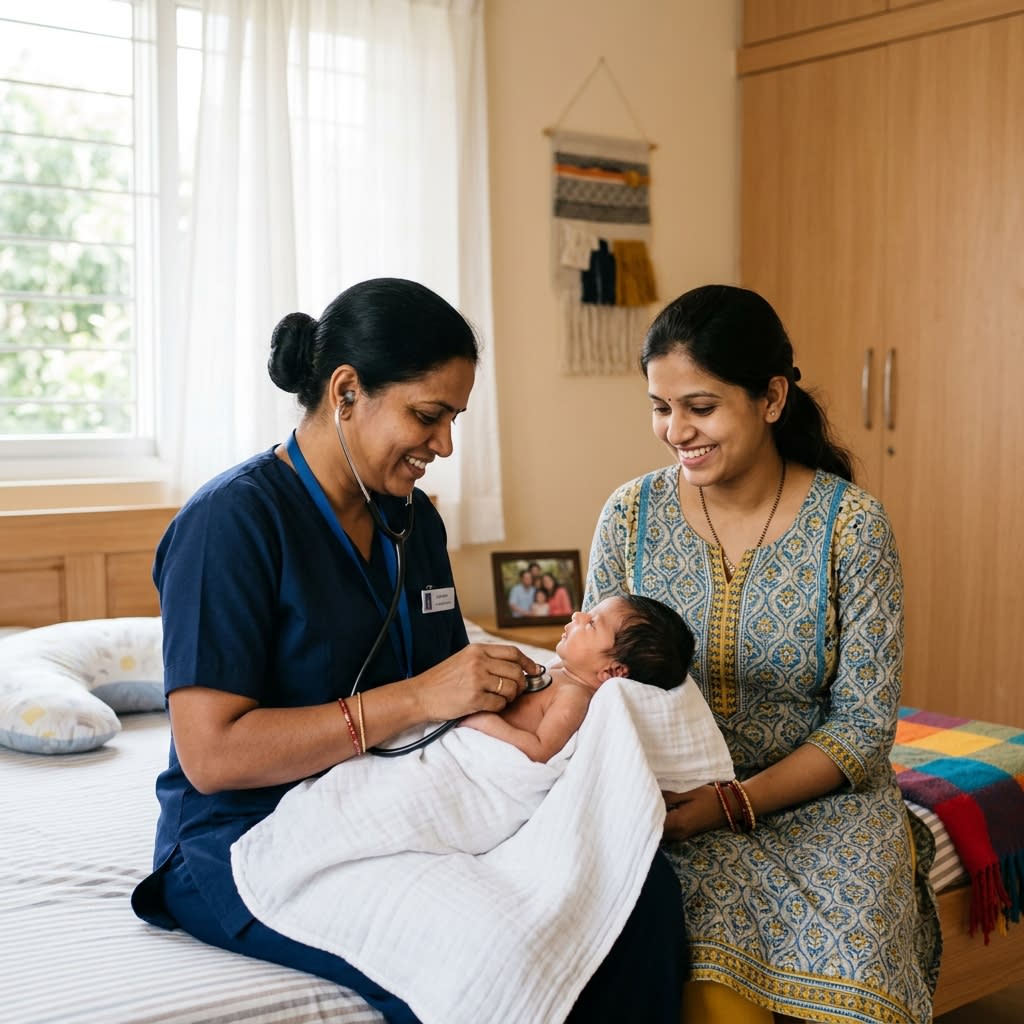
At NurseNest Plus, our trained postnatal care nurses have helped hundreds of Bangalore families navigate the critical first 40 days after delivery during monsoon. Here's your comprehensive guide.
Why Monsoon Is Challenging for Newborns
Newborns have immature immune systems that make them particularly vulnerable during monsoon:
- Skin infections – High humidity causes diaper rash, heat rash, and fungal infections in skin folds
- Respiratory issues – Damp air and mold spores can trigger breathing difficulties in infants
- Gastrointestinal infections – Waterborne bacteria can contaminate feeding bottles and utensils
- Mosquito-borne diseases – Dengue and malaria mosquitoes breed prolifically during monsoon
- Temperature fluctuations – Sudden temperature changes between rain and sunshine stress the baby's thermoregulation
Essential Newborn Care Tips During Monsoon
1. Maintain Optimal Hygiene
Hygiene becomes even more critical during the rainy season:
- Wash hands with antibacterial soap before handling the baby – every single time
- Sterilise all feeding bottles, nipples, and pacifiers in boiling water for 10 minutes
- Change diapers every 2–3 hours; clean the diaper area with warm water and pat completely dry
- Use only boiled and cooled water for preparing formula milk
- Wash baby clothes separately with mild, fragrance-free detergent and dry indoors if outdoor drying isn't possible
2. Skin Care for Your Newborn
Humidity-related skin problems are the most common monsoon complaint for newborns:
- Bath routine – Give a warm bath once daily using mild baby soap; avoid over-bathing
- Drying – Pat skin completely dry, especially in neck folds, armpits, behind ears, and groin area
- Clothing – Dress in loose, breathable cotton clothes; avoid synthetic fabrics
- Diaper rash – Apply zinc oxide cream as a barrier; allow diaper-free time for 15–20 minutes daily
- Fungal prevention – Keep skin folds dry; apply cornstarch-based powder (avoid talcum)
3. Protect Against Mosquitoes
Newborns cannot use chemical repellents, so physical barriers are essential:
- Use fine-mesh mosquito nets over the baby's crib and during daytime naps
- Install window screens to prevent mosquito entry
- Use electric mosquito vaporisers in adjacent rooms (not directly near the baby)
- Dress the baby in full-sleeved cotton clothes during dusk and dawn
- Eliminate all stagnant water in and around your home
4. Breastfeeding During Monsoon
Breast milk is the best defence for your baby's immunity:
- Exclusive breastfeeding for the first 6 months provides antibodies against monsoon infections
- Feed on demand – at least 8–12 times in 24 hours for newborns
- The mother should increase her fluid intake (warm soups, dal water, ajwain water)
- Include immunity-boosting foods in the mother's diet: turmeric milk, ginger tea, garlic
- Ensure the mother's hands and breasts are clean before each feeding
5. Room Environment Management
Creating the right environment is crucial during monsoon:
- Maintain room temperature between 24–26°C using AC or fan (avoid direct airflow on baby)
- Use a dehumidifier if the room feels excessively damp
- Ensure cross-ventilation during dry spells to prevent mold growth
- Check for and address any water leaks or dampness in the nursery
- Keep the room clean and dust-free; mop floors with mild disinfectant daily
Postnatal Mother Care During Monsoon
Physical Recovery
The mother's body is healing and vulnerable to infections during monsoon:
- C-section wound care – Keep the incision site clean and dry; change dressings daily in humid weather
- Episiotomy care – Sitz baths with warm water 2–3 times daily; keep the area dry
- Nutrition – Warm, freshly cooked meals; include gond laddoo, dry fruits, and dalia for recovery
- Hydration – Drink at least 3 litres of purified water daily to support milk production
- Rest – Sleep when the baby sleeps; recovery is faster with adequate rest
Mental Health Matters
Monsoon weather can worsen postpartum mood changes:
- Gloomy weather combined with sleep deprivation can trigger postpartum depression
- Maintain social connections through phone/video calls with family
- Accept help – a professional postnatal nurse reduces stress significantly
- Watch for signs: persistent sadness, inability to bond with baby, excessive crying, or thoughts of harm
- Seek professional help immediately if symptoms persist beyond 2 weeks
When to Call the Doctor Immediately
For the newborn, seek emergency care if:
- Fever above 100.4°F (38°C) or temperature below 97°F (36°C)
- Refusal to feed for more than 4 hours
- Rapid breathing, grunting, or chest retractions
- Yellowish skin or eyes (jaundice) worsening after day 3
- Excessive drowsiness or inability to wake for feeds
- Redness, swelling, or discharge from the umbilical stump
For the mother, seek help if:
- Fever above 101°F with foul-smelling discharge
- Heavy bleeding (soaking more than one pad per hour)
- Severe headache, vision changes, or swelling in legs
- Signs of breast infection: redness, pain, and fever
How NurseNest Plus Postnatal Home Care Helps
Our experienced postnatal nurses provide comprehensive support during monsoon:
- Newborn care – Bathing, massage, umbilical care, and health monitoring
- Breastfeeding support – Latching guidance, positioning, and resolving feeding difficulties
- Mother's recovery – Wound care, nutrition planning, and postpartum exercise guidance
- Infection prevention – Clinical-grade hygiene protocols for monsoon-specific risks
- Night duty support – Let the mother rest while the nurse handles nighttime feeds and diaper changes
- Emergency recognition – Trained to identify danger signs in both mother and baby
NurseNest Plus – Expert Postnatal Care at Home, Because Every New Beginning Deserves the Best